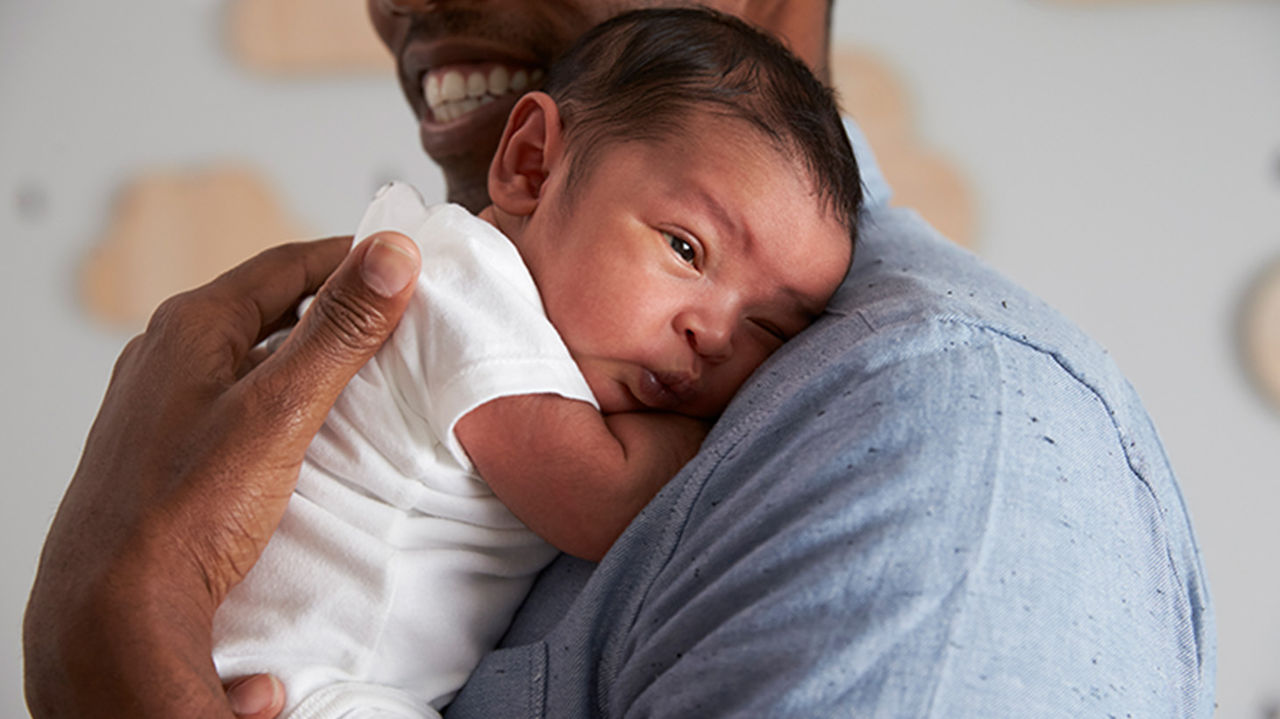
While taking your preemie home is exciting for you, it may take some time for your baby to form a routine—and for you to feel rested and confident in your own abilities. That’s to be expected! It’s a learning experience.
To help your preemie’s transition to home life, start and stay on a happy and healthy track. Here are a few tips to keep in mind:
- Bathing your baby
To help protect your little one’s tender skin from excessive dryness, they’ll only need baths 2 or 3 times a week during their first year. Keep the bathing area warm and free of drafts. Use smooth, soothing motions when washing, and swaddle your infant in a soft towel afterward for warmth.
- Crib safety
Your little one’s crib should have slats that are no more than 2 3⁄8 inches apart to prevent their head from getting caught. Make sure the mattress is firm and fits snugly to the crib's frame and is covered only with a tight-fitting sheet. Keep soft, bulky items like blankets, bumpers, and stuffed animals out of the crib, as they could block your baby's breathing.
- Warm and cozy are the goals
Preemies don’t have as much body fat as term babies, at first. This can make temperature changes tough. In the home, dress your baby as you would dress yourself and add one light layer given the season and room temp—then add a cute hat while awake! We lose a lot of body heat through our heads, and babies’ heads are larger in relation to their body size than ours.
- Keep the air clean
The Centers for Disease Control and Prevention says secondhand smoke is a health risk. This is especially true for premature babies whose lungs are still developing. Help your preemie avoid secondhand smoke at all times.
- Keep germs at arm’s length
Remember that your preemie’s immune system may not yet be fully developed when you bring them home, so you may need to be a little more cautious than usual. It’s wise to wait a few weeks before having visitors at home. Consult your pediatrician about when it’s best to invite family and friends to come to see your little one. Once it’s okay to have visitors, make sure they’re not sick and that they wash their hands with soap and warm water before touching or holding your little one.
- Support their immature immune system through nutrition
Your preemie’s growth and development starts in the hospital, but your healthy habits can help to continue their growth at home. If you are providing breast milk to your baby, having a healthy, balanced diet and drinking adequate fluids can help with the supply and quality of your milk.
At discharge, your baby will still have specific nutrient needs. Your baby's NICU healthcare professionals may recommend a nutrient-enriched formula like Similac NeoSure, that has increased protein, vitamins, and minerals, compared to term infant formula. NeoSure also has nucleotides, which are building blocks for cells, including immune cells,2 to support baby’s developing immune system.
Protecting your little one often comes naturally, but we hope these tips will give you confidence and give your preemie the best possible start for a healthy and happy home life.
Sources: 7 tips for premature baby care. Abbott. October 16, 2018. Accessed January 15, 2024. https://www.nutritionnews.abbott/pregnancy-childhood/infant-toddler/caring-for-your-premature-baby-7-tips-for-new-parents/