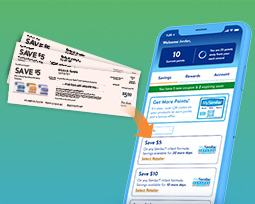
Join MySimilac™ Rewards. It’s Fast and FREE!

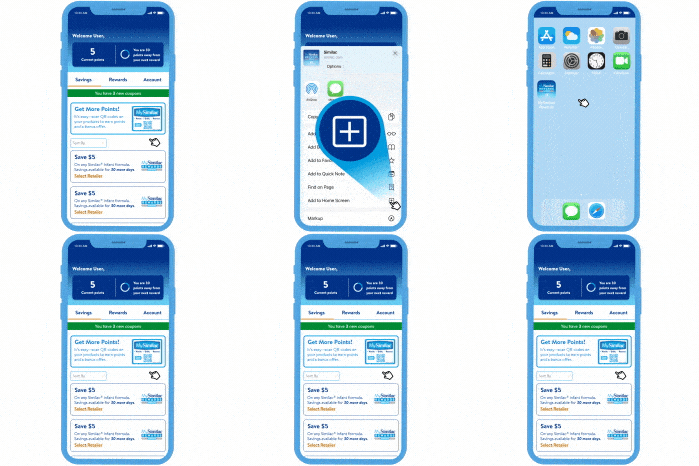
- Getting rewarded is easier than ever with our mobile app!
- Baby formula coupons
- Nutrition guidance for you and baby
- Free† Shutterfly photo book
† See details on registration form.
- Product Description
- Ingredients & Nutrition
- Reviews
- FAQs
Similac NeoSure* premature post-discharge baby formula promotes excellent catch-up growth1 during a premature baby’s first 12 months of life. It has enriched nutrition—increased protein, vitamins, and minerals for growth compared to term infant formula—as well as calcium and phosphorus for baby’s growing bones. It has DHA and lutein to help support baby’s brain and eye development, and it has no artificial growth hormones.†
- NEOSURE IS THE #1 SELLING PRETERM POST-DISCHARGE INFANT FORMULA
- FROM THE MAKER OF THE #1 BRAND FED IN THE NICU
- EXCELLENT CATCH-UP GROWTH1: Supports better gains in weight, length, and head circumference for premature babies when compared to term infant formula
- HELPS SUPPORT BRAIN & EYES: Has DHA and lutein, important components found in breast milk
- ALSO AVAILABLE IN CONVENIENT READY TO FEED: Great for on-the-go and late-night feeding; no mixing required
- HELPS SUPPORT BONE GROWTH: Our formula has calcium and phosphorus for baby’s growing bones
- NO ARTIFICIAL GROWTH HORMONES†
- Electronic Benefits Transfer (EBT) ELIGIBLE: Eligible to be purchased with Supplemental Nutrition Assistance Program (SNAP) benefits in select stores. The SNAP name is a service mark of the US Department of Agriculture; USDA does not endorse any goods, services, or enterprises
* Not for infants or children with galactosemia.
† Milk ingredients are derived from milk of non-rbST-treated cows, which is not different from milk of rbST-treated cows.
Reference: 1. Carver JD, et al. Pediatrics. 2001;107(4):683-689.
Allergen Statement
Contains milk and soy ingredients.
Ingredients
Nonfat Milk, Corn Syrup Solids, Lactose, Soy Oil, High Oleic Safflower Oil, Whey Protein Concentrate, Medium Chain Triglycerides, Coconut Oil. Less than 2% of: Schizochytrium Sp. Oil*, M. Alpina Oil†, Beta-Carotene, Lutein, Potassium Citrate, Calcium Phosphate, Inositol, Ascorbic Acid, Magnesium Chloride, Soy Lecithin, Calcium Carbonate, Taurine, Ferrous Sulfate, Choline Bitartrate, Choline Chloride, Ascorbyl Palmitate, L-Carnitine, Potassium Chloride, Zinc Sulfate, Mixed Tocopherols, d-Alpha-Tocopheryl Acetate, Sodium Citrate, Niacinamide, Calcium Pantothenate, Copper Sulfate, Vitamin A Palmitate, Thiamine Hydrochloride, Riboflavin, Pyridoxine Hydrochloride, Folic Acid, Manganese Sulfate, Phylloquinone, Biotin, Sodium Selenate, Vitamin D3, Vitamin B12, Potassium Iodide, Potassium Hydroxide, and Nucleotides (Adenosine 5'-Monophosphate, Cytidine 5'-Monophosphate, Disodium Guanosine 5'-Monophosphate, Disodium Uridine 5'-Monophosphate).
* Source of DHA.
† Source of ARA.
Serving Size: 100 Cal (4.5 fl oz, prepared as directed)
Nutrient Data
Nutrient Data
Vitamins
Minerals
Serving Size: 1000 mL (1.1 QT, prepared as directed)
Nutrient Data
Nutrient Data
Vitamins
Minerals
Similac NeoSure Infant Formula Powder
Join MySimilac™ Rewards for up to $400* in benefits and support throughout your journey.
* Offers may vary and are provided by Abbott and its third-party partners. Additional terms, conditions, and restrictions may apply. Offers may be subject to additional shipping and handling fees. Visiting participating healthcare facilities may be required to claim select offers.